Entry · Ref RUZKIWIK
TRT Clinic in La Jolla: Finding Care That Fits Your Lifestyle
- Posted
- 2026-10-21
- Last amended
- 2026-10-21
- Account
- @jeffreypksk050
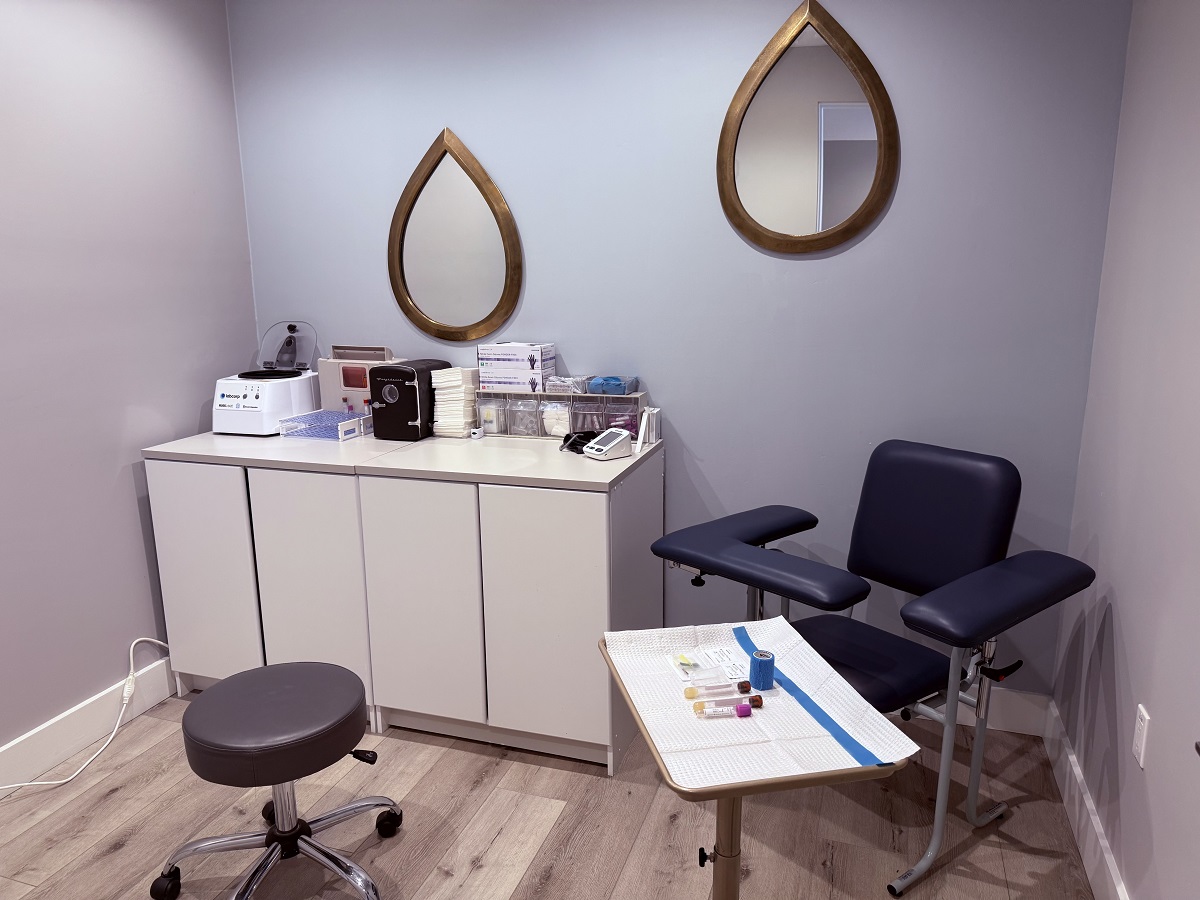

Testosterone replacement therapy is not a haircut, a supplement run, or a one-time procedure you can squeeze into a busy month and forget about. It is ongoing medical care. That simple fact changes how men should evaluate a provider, especially in a place like La Jolla, where people often juggle demanding work, regular travel, fitness goals, family responsibilities, and a strong preference for care that feels efficient without becoming impersonal.
A good TRT experience is rarely defined by one impressive appointment. It is shaped by the full rhythm of care over time. How easy is it to get labs done? Does the clinic explain why your dose is changing? Can you reach someone when a side effect pops up on a Friday afternoon? Do they treat numbers on a lab report, or do they actually listen when you say your energy improved but your sleep got worse?
Those details matter more than glossy branding. If you are searching for a trt clinic La Jolla residents would genuinely stay with for the long haul, the better question is not just, “Who offers TRT?” It is, “Who offers care that fits the way I actually live?”
Why lifestyle fit matters more than most people expect
TRT can be effective for properly selected patients, but it asks for consistency. Hormone therapy works best when the clinical plan and the patient’s routine are aligned. If they are not aligned, even a medically sound protocol can become frustrating.
I have seen this play out in predictable ways. A man with a heavy travel schedule starts a plan that requires inconvenient office visits every week. He begins by staying perfectly compliant, then misses one appointment, then another, then feels his levels swing because the routine never fit his calendar in the first place. Someone else starts treatment after hearing a lot about energy and body composition, but no one thoroughly discussed fertility, sleep apnea, blood pressure, or how long it might take to dial in dosing. He feels blindsided by basic realities that should have been covered before the first prescription was written.
La Jolla adds its own layer to this. The local patient population often expects a higher standard of communication and efficiency, and fairly so. People here tend to be proactive about health. They exercise, they follow labs, they compare providers, and they are not shy about leaving a clinic if the care starts to feel assembly-line. That is not a cosmetic concern. Better communication usually leads to better adherence, fewer misunderstandings, and a lower chance that minor issues turn into reasons to quit therapy.
A clinic that fits your lifestyle reduces friction. Reduced friction keeps care consistent. Consistency is what gives TRT the best chance to work safely and predictably.
The difference between a testosterone seller and a real TRT practice
The TRT market has grown quickly, and growth always attracts mixed quality. Some clinics are thoughtful, medically grounded, and careful about diagnosis. Others function more like testosterone dispensaries with polished websites.
The difference often shows up early.
A serious clinic does not assume every tired man needs testosterone. It asks why symptoms are happening. Low libido, reduced stamina, depressed mood, worse recovery in the gym, more abdominal fat, and poor focus can overlap with low testosterone, but they can also show up with chronic stress, inadequate sleep, medication effects, alcohol use, depression, thyroid issues, or untreated sleep apnea. Good care starts with sorting those possibilities out, not skipping over them because the patient came in asking for TRT.
A reputable practice also treats lab work as part of a bigger picture. Total testosterone matters, but so do symptoms, repeat measurements when appropriate, timing of testing, free testosterone in some cases, estradiol context, complete blood count, metabolic markers, and sometimes fertility goals. One isolated number should not drive a lifelong treatment decision.
That point is easy to miss because many men walk into a clinic wanting a yes or no answer immediately. A disciplined provider sometimes slows the process down. That can feel inconvenient in the moment, but it is usually a sign that the clinic takes the therapy seriously.
What strong care looks like in practice
The best clinics tend to have a certain texture to their care. They are structured but not rigid. They have systems, but they do not force every patient into the same mold. The physician or prescribing clinician can explain not just what they are recommending, but why.
For example, dosing schedule matters. Some patients do well with one routine, while others feel better with a different injection frequency or delivery method. There is no universal plan that suits every body, every schedule, and every set of preferences. A clinic that claims there is one perfect protocol for all men is usually revealing more about its operational convenience than its medical judgment.
Communication style matters too. Men starting TRT usually have practical questions that do not fit neatly into a five-minute visit. They want to know how soon they might feel a change, whether strength gains are realistic, what happens if hematocrit rises, whether mood changes are common, and how follow-up works if they are out of town. When those questions are brushed aside, trust erodes quickly.
The best practices make space for nuance. They explain that symptom improvement may come in phases. Libido might improve before body composition changes. Energy may rise before sleep quality stabilizes. Some men feel better within weeks, others need dose adjustments and patience. Good clinics frame TRT as monitored care, not instant transformation.
La Jolla patients often need flexibility, not just expertise
Many people looking for hormone care in La Jolla are not just seeking competence. They are seeking competence delivered in a format they can sustain. That distinction matters.
A business owner who starts work before sunrise may need quick early appointments or streamlined virtual follow-up. A physician, attorney, executive, or consultant who travels often may need clear refill policies and a clinic that can coordinate labs efficiently. An active man in his fifties who surfs, lifts, and watches his recovery closely may care less about waiting room aesthetics and more about whether the provider can intelligently discuss symptom trends, training load, and lab interpretation.
These are not luxury preferences. They are the mechanics of adherence.
I have seen excellent care plans fail because the clinic never considered the patient’s real week. If you have to choose between keeping a work commitment and driving across town for a brief appointment that could have been handled more efficiently, resentment builds. Once treatment becomes a recurring hassle, motivation fades.
This is why finding the right trt clinic La Jolla patients can return to consistently is often about logistics as much as credentials. Location, appointment design, response time, lab coordination, and prescription workflow can make the difference between stable long-term care and repeated stop-start treatment.
The first visit should feel thorough, not theatrical
When evaluating a clinic, pay close attention to the first consultation. You do not need bells and whistles. You need thoughtful medicine.
A strong initial visit usually includes a detailed symptom discussion, relevant medical history, medication review, questions about sleep, alcohol intake, exercise, fertility plans, cardiovascular risk factors, and a clear explanation of what testing is needed and why. You should leave understanding the decision process, not just the sales pitch.
If the visit jumps too quickly from “You’re tired” to “Let’s get you on testosterone,” that is a warning sign. The same goes for dramatic promises about reclaiming youth, guaranteed muscle gain, or simplistic assurances that side effects are no big deal. Testosterone can improve quality of life for the right trt clinic La Jolla patient, but it still requires medical judgment.
The clinics that inspire the most confidence are often the least theatrical. They sound measured. They answer directly. They do not oversell. They are comfortable saying, “We need more information first,” or, “TRT may not be the right starting point for you.”
That can be disappointing if you came in hoping for an immediate fix. It is still the better sign.
Questions worth asking before you commit
A good clinic should welcome informed questions. If a provider seems irritated by basic due diligence, that tells you something important about how future follow-up may go.
- How do you confirm that TRT is appropriate before starting treatment?
- What labs do you monitor at baseline and during follow-up?
- How often are follow-up visits typically needed once treatment is stable?
- What is your process if side effects develop or symptoms do not improve as expected?
- How do you handle care for patients who travel frequently or need flexible scheduling?
Those five questions reveal a lot. They tell you whether the clinic values diagnosis, monitoring, accessibility, and real-world practicality. They also shift the conversation away from marketing and back toward clinical process, which is where it belongs.
Cost is not just the monthly fee
People often compare clinics by quoting a monthly number, but that can be misleading. The true cost of TRT includes more than the treatment itself. There are office visits, labs, follow-up frequency, supply costs in some settings, and the time cost of getting care.
A lower advertised price can lose its appeal quickly if the clinic requires frequent in-person visits that are hard to attend, charges separately for routine monitoring, or has weak communication that leads to delays and unnecessary repeat appointments. On the other hand, a clinic with a higher upfront fee may be worth it if the care is organized, the monitoring is clear, and the process is sustainable.
This is where honesty matters. A reputable clinic should be able to explain what is included, what is billed separately, and how often monitoring typically happens. Exact totals can vary because care needs vary, but vague answers are not reassuring.
There is also a hidden cost to poor treatment planning. If your dose is managed inconsistently and you feel up and down for months, the issue is not only financial. It affects sleep, work performance, relationships, training, and trust in the process. Cheap care that creates instability is rarely a bargain.
The role of monitoring, and why it should never feel optional
One of the clearest markers of a quality TRT practice is how seriously it takes monitoring. That includes symptom tracking, lab review, dose adjustment, and attention to side effects that patients might otherwise minimize.
Men often focus on whether testosterone levels are technically “higher,” but the more meaningful question is whether the treatment is improving health and function without creating new problems. Depending on the patient, the clinician may be watching blood counts, estradiol context, blood pressure, sleep quality, and changes in mood, libido, or recovery. The specifics depend on the medical situation, but the principle is constant: TRT should be monitored with intention.
I have seen patients transferred from clinics where almost no follow-up happened beyond automatic refills. Some felt decent for a while and assumed that meant everything was fine. Then a routine lab panel elsewhere showed an issue that should have been tracked all along. This is one reason experienced patients often become much more selective the second time they choose a provider. They learn that convenience without oversight is not actually good care.
A clinic does not need to be alarmist. It does need to be engaged.
Fertility, family planning, and the conversation many men wish they had earlier
This deserves direct attention because it is commonly overlooked until it becomes urgent. Men in their thirties and forties, and even older men, may still want children. Testosterone therapy can affect fertility. That should never be treated as a side note.
A careful clinic brings trt clinic La Jolla this up before treatment starts, not after months on therapy. If a man says, “My wife and I may try in a year,” the treatment discussion should shift accordingly. Sometimes that means pausing, investigating alternatives, or involving a specialist depending on the situation. The right next step is patient-specific, but the conversation itself is not optional.
This is one of the clearest examples of why expertise must be paired with listening. Two men can present with similar symptoms and similar lab values, yet need different plans because their life circumstances are different. Lifestyle fit is not only about scheduling. It is about aligning treatment with long-range goals.
Red flags that deserve your attention
Most patients can spot obvious problems, but some warning signs are subtler. A slick office can still deliver weak care. A friendly consultation can still skip essential clinical judgment.
Watch for a pattern of overconfidence, rushed decision-making, and vague monitoring plans. Be cautious if the clinic promises dramatic body composition changes while saying little about long-term follow-up. Be equally cautious if every patient seems to leave with the same protocol regardless of age, symptoms, travel schedule, or fertility goals.
There is a practical side to this too. Slow response times, disorganized refill procedures, and confusion around lab timing create more trouble than many people expect. Hormone care depends on continuity. Administrative weakness eventually becomes a medical frustration.
Signs you are probably in the right place
There are a few encouraging signals that tend to show up when a clinic is operating well.
- The provider explains options clearly and does not pressure you to start immediately.
- Your symptoms, labs, medical history, and personal goals are all part of the treatment discussion.
- Follow-up expectations are spelled out in plain language, including how adjustments are made.
- Staff communication is organized, timely, and respectful of your schedule.
- The clinic is comfortable discussing limitations, side effects, and situations where TRT may not be the best answer.
Notice that none of these signs depend on hype. They depend on professionalism.
How active patients should think about performance goals
La Jolla has no shortage of men who train hard and pay close attention to recovery, body composition, and performance. That group can benefit from TRT when medically appropriate, but it also faces a common trap: confusing hormone therapy with a performance shortcut.
If you are active, ask yourself what you are really trying to fix. Is it low motivation to train, slower recovery than expected, loss of lean mass despite consistency, or a broader cluster of symptoms that includes sleep, libido, mood, and concentration? A good clinic will help separate normal aging, overreaching, poor recovery habits, and true hormonal issues.
This matters because training itself can blur the picture. Heavy workloads, calorie deficits, poor sleep, and chronic stress can drag down how a man feels. If those drivers are left untouched, TRT may help less than expected, or it may mask a broader lifestyle problem that still needs attention.
The best providers are candid about that. They do not diminish symptoms, but they also do not pretend that testosterone replaces sleep, stress management, nutrition, or smart programming in the gym. Men usually appreciate that honesty once they hear it.
Telemedicine, in-person care, and the hybrid model many people prefer
One practical question comes up often: should you choose a local clinic or a remote provider? The answer depends on your priorities, but many patients do best with some version of hybrid care.
There is value in local access. Being able to complete parts of care nearby, clarify problems quickly, and feel anchored to a real clinical setting matters. This is especially true if you are new to TRT and want stronger continuity at the start. At the same time, many busy professionals do not want every routine follow-up to require unnecessary travel and waiting room time.
That is why flexible practices often stand out. If a trt clinic La Jolla offers thoughtful in-person evaluation with efficient follow-up options when appropriate, that can be a strong balance. It respects both the medical seriousness of the therapy and the practical reality that patients have lives to run.
The key is not whether visits are virtual or in person. The key is whether the system supports careful monitoring, consistent communication, and individualized care.
Choosing the clinic you will still trust a year from now
The first month of TRT is not the hardest part. The real test is whether the clinic remains reliable once the novelty wears off and ordinary life resumes. That is when systems matter. That is when refill timing matters. That is when you learn whether the staff remembers your case or treats you like a recurring transaction.
A good clinic earns trust gradually. It does not need to impress you with grand language. It needs to show competence repeatedly. The right dose gets adjusted when needed. Labs are reviewed on schedule. Side effects are discussed calmly. Your life circumstances are part of the plan rather than an inconvenience to it.
That is the standard worth looking for in La Jolla. Not just access to testosterone, but care that is steady, responsive, medically sound, and realistic about how people live. When a clinic gets those things right, TRT can feel less like one more obligation and more like what it should be in the first place: well-managed medical care that supports your health, your energy, and the way you actually move through your days.
SDBody La Jolla
7710 Fay Ave, La Jolla, CA 92037
+1 858-401-2383
FAQ About trt clinic La Jolla
How much should my TRT cost?
TRT costs depend on the clinical evaluation, medication, laboratory testing, and follow-up plan. Ask for an itemized estimate that includes the initial visit and ongoing monitoring. SDBody La Jolla can explain its current fees after discussing the services being considered.
Will Insurance Pay for TRT in La Jolla?
Coverage depends on your plan, diagnosis, prescribed treatment, and provider network. Ask your insurer about medical necessity requirements, prior authorization, laboratory coverage, and out-of-pocket costs. Confirm SDBody La Jolla's billing arrangements directly; insurance payment is not guaranteed.
Is TRT safer than steroids?
Testosterone is itself an anabolic steroid. Clinician-prescribed replacement for confirmed testosterone deficiency differs from nonmedical steroid use, but it still carries risks and requires monitoring. Possible concerns include increased red blood cell levels and reduced sperm production. Discuss your medical history and fertility goals with a qualified clinician before considering treatment.